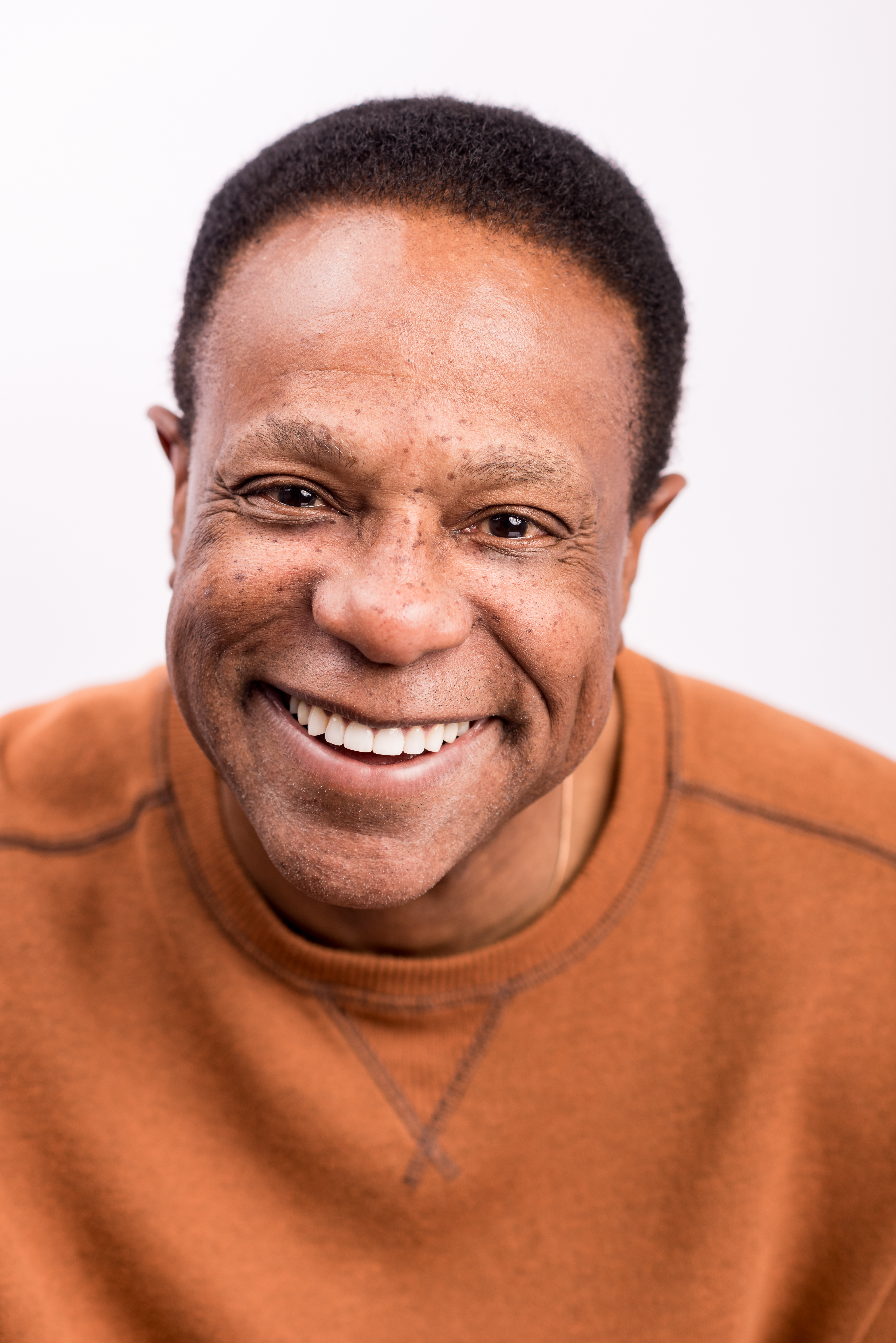
Click thumbnails for larger versions (many are press-ready; click large version to zoom in):
![]() |
![]() |
![]() |
|||
|
elcome to Brian Copeland's E-press Kit.
Here you'll find a wealth of resources for both fans and media professionals interested in Brian's extensive body of work. Visit the About page for Brian's bio. Visit the Booking page to bring Brian to your theater, broadcast, webcast, fair housing group, or fundraisers for nonprofit organizations.
CONTENTS Photos
Not A Genuine Black Man: Profile Of Brian Copeland on CBS5.com The Commonwealth Club, Jan 13, 2009 Brian at the Authors@Google series, 2008 The Larry Mantle Show, Feb 15 2006 The Suburban Wall The Invisible Wall
Inside Bay Area - 08/27/12 San Francisco Chronicle/SFGate.com - 02/26/12 San Francisco Chronicle/SFGate.com - 02/26/12 San Francisco Chronicle/SFGate.com - 09/25/10 San Jose Mercury News - 09/09/10 San Francisco Community Theater Examiner - 05/23/09 Pacific Sun - 11/17/06 Los Angeles Times - 7/27/07 Contra Costa Times - 11/6/05 New York Times - 8/21/06 Arizona Republic - 8/13/06 Black Press USA Network - 8/09/06 People Magazine - 7/24/06 Associated Press - 5/17/06 Los Angeles Times - 3/26/06 Frosene Phillips - 3/3/06 Los Angeles Times - 3/3/06 Inside Bay Area - 2/28/06 New York Times - 2/26/06 Contra Costa Times - 11/6/05 Black Talent News - 10/27/05 Skinny Magazine - 9/6/05 Contra Costa Times - 7/31/05 San Francisco Chronicle - 5/10/05 San Francisco Bay View - 1/5/05 San Francisco Chronicle - 11/7/04 SF Weekly - 6/2/04 northbay.com - 5/30/04 San Francisco Chronicle - 4/24/04 SAN FRANCISCO EXAMINER - May 2009 Not a Genuine Black Man Brian Copeland created Not a Genuine Black Man in 2004 at the Marsh, a boiler-room of dramatic entrepreneurship in San Francisco's Mission District, and has performed it over 500 times. When he was just a boy, his family moves to a white-only suburb and there the trouble escalates. With agility, Copeland plays over 20 characters in the two-hour show including himself, himself as an 8-year-old, his mother, his sister, his grandmother, his son, his father, his landlord, 3 policemen, 2 lawyers, his father, a waitress, a pastor of an all-white church, a hate-letter writer, two white teenaged racists and several irate neighbors. He also fragments the narrative in time, flashing back and forth between his childhood and his current status as a successful performer, family man and business man. And he keeps it all together for the audience. The drama includes genuinely tragic moments relieved frequently with inside jokes. The show has range, turning corners abruptly, humor and success sharply juxtaposed with failure and depression. He is a talented comedian but this is not two hours of stand up. The man has a lived sense of the tragic. Copeland has had his own radio and TV shows, has written a book detailing the experiences in Not a Genuine Black Man and there is a TV series in the works.
Not a Genuine Black Man Has Many Themes Whiter than Ivory soap, Copeland says in his affecting one-man memoir, "Not a Genuine Black Man," which opened Wednesday at off-Broadway's DR2 Theatre. It's not surprising that Copeland, who's black, was noticed. In fact, on his first Saturday in the new neighborhood, he was chased by a group of white teens. Remembrances like it thread their way through Copeland's tale of growing up in a town where people were judged first by the color of their skin. But "Not a Genuine Black Man" has more on its mind that the persistent racism that dogged Copeland's childhood. It's a story of family. Affectionate portraits of his mother and grandmother. A not-so-happy picture of his rarely seen father, a brute of a man who abused his wife and terrorized his children. That Copeland, now a radio talk-show host in San Francisco, seems to have turned out so well-adjusted is a marvel. He is a genial, accomplished raconteur, able to switch back and forth between the characters in his show. The catalyst for "Not a Genuine Black Man" is the man's determined mother. A woman with style and class, she did have her quirks. Always claiming to be from Providence, R.I., and not Alabama because it sounded better, for example. And one thing her son never figured out was why she remained so loyal to his father, who eventually disappeared from their lives. What his mother wanted was respect, Copeland says. And it was her determination to have that respect which brought the woman and her children to San Leandro and later to initiate a lawsuit after being threatened with eviction. She brought her children up to succeed and Copeland did. And his success becomes one of the show's themes, particularly in the way other blacks have responded to his having made it. Some made the accusation that became the title of his show "Not a Genuine Black Man." "If you're talking about pigment, then, yes, clearly I am black," Copeland says at one point. "If you're talking about some cultural delineation, I don't know." The man refuses to be categorized. And it is that refusal to be stereotyped that makes "Not a Genuine Black Man" such an intriguing and entertaining evening.
Not A Genuine Black Man Interwoven with the story of how the family survived (with some lessons in Realpolitik from Alabama-bred Grandma) there are effective glimpses of Copeland as a grownup: a successful family man who defies the sorry stereotypes that constitute "realness" for a black man. As directed by Bob Balaban, this one-man show has a motormouth verbal energy and an appealing emotional honesty. Copeland moves past the distracting rhythms of standup comedy early in the show to let his gift for ambiguity take over.
ST. PETERSBURG TIMES - September 17, 2006 Black and Blue in America - by Bill Maxwell Directly beneath the long title are three simple words: "A True Story." They capture the real tragedy of Copeland's saga. Indeed, the events in the book actually happened to a young black man in contemporary America much of the hurt coming at the hands of other blacks. As the title suggests, Copeland ostensibly violated an important rule of black cultural, social and racial identity. His misery began in 1972, when his mother and grandmother moved from Birmingham, Ala., to San Leandro, Calif., a suburb that was 99.9 percent white. His mother was determined to make "a good life" for her children and to get away from a violent husband. Copeland was 8 years old. Although a mere 15 miles from liberal UC Berkeley, San Leandro was so racist that its barbers, all white, would not even attempt to cut a black person's hair. During his first week in his new hometown, Copeland was cursed and chased by a group of white teens. A day later, he was frisked and taken into custody by white cops because he was walking to a park carrying a baseball bat. The family's white landlord schemed time and again to evict his only black tenants. The list of affronts from white people goes on. But their affronts pale in comparison to the insults of black people. As he matures, marries, joins the Catholic Church and becomes a well-known comedian and radio personality in California, he finds his voice. His politics and independence - especially his insistence on taking personal responsibility for one's own condition - make him popular in conservative circles, but he becomes a pariah for many of his fellow blacks. His life changed after he received an anonymous letter from an irate listener that stated in part: "As an African-American, I am disgusted every time I hear your voice because you are not a genuine black man!" Those words cut Copeland to the quick and sent him on a voyage of introspection that resulted in Not a Genuine Black Man, the book, and a one-man play of the same title. Amazingly, the play ran in San Francisco for two years and recently for three months at the DR2 Theatre in New York. He found the indictment in the anonymous letter liberating. "No one person or group of individuals holds the monopoly on what in this society is the 'true' black experience," Copeland writes. "My world is as 'black' as that of Malcolm X, Colin Powell, Snoop Dogg, Jesse Jackson, Usher, Bill Cosby or Diddy. As their experiences in America are unique, mine are unique - yet it is the same. It is as valid as that of the poor African-American living in 'the hood,' the rich black rapper balancing a lifestyle of fame and violence, and the black scholar working to better this world through dissertation." Not a Genuine Black Man should be required reading for all black people - especially those who have crowned themselves as arbiters of what is and is not genuine blackness. Bill Maxwell is a Times editorial writer/columnist.
Not a Genuine Black Man by Brian Copeland (Hyperion, $29.95) - by Anne Stephenson In this funny memoir about racism (it sounds strange, but that's what this is), Copeland's wit is the spoonful of sugar that helps his sad stories go down. Now an actor and comedian, he was 8 in 1972 when he and his mother, grandmother and sisters moved to San Leandro, Calif., a city that was 99.9 per cent white and so smug about it that none of its barbers would cut a black man's hair because they claimed they didn't know how. In his first week there, young Brian was harassed and chased by a group of white teenagers, then frisked and taken into custody by the policeman who was supposed to rescue him. Growing up black in a "lily-white suburb" gave him a confusing self-image, one that wasn't helped by occasional visits from his abusive, low-life father. Copeland's book doesn't have the edginess of Chris Rock's humor, nor is it a Cosby-like paean to family values, although Copeland's mother tried valiantly to better her children's lives. Instead, it's a forum for his lingering bafflement over the insidious tactics of racism. "Can you believe these things happened?" he seems to ask on every page. We can only laugh at his jokes and wish we could say "No."
Not a Genuine Black Man: Or, How I Claimed My Piece of Ground in the Lily-White Suburbs This memoir offers a candid and funny response to those who question the racial authenticity of successful black men. After receiving a letter asserting that he is "not a genuine black man," Copeland (comic, actor, radio, talk show host) tries to understand the qualifications needed to earn the classification: "I can't swim. That's black. But I can't play basketball either." Raised in San Leandro, a suburb bordering Oakland, Calif., Copeland delves into his experiences as a lone black child struggling to blend in among a white majority. His mother attempted to assimilate in any way possible, converting to Catholicism and taking her family to "brunch" after church, despite resistance from whites. Copeland details a futile search for a barber who would consent to cut his hair, being searched by a security guard while trying to shop and receiving an eviction notice based purely on the color of the family's skin. Copeland's comedic talent is evident throughout the book, though he concedes that he uses laughter to keep the pain at bay and endured a time when he descended into depression. Honest and engaging, this memoir is a valuable book for anyone trying to straddle racial lines, for anyone who has ever felt out of place.
|
||||
![]()